

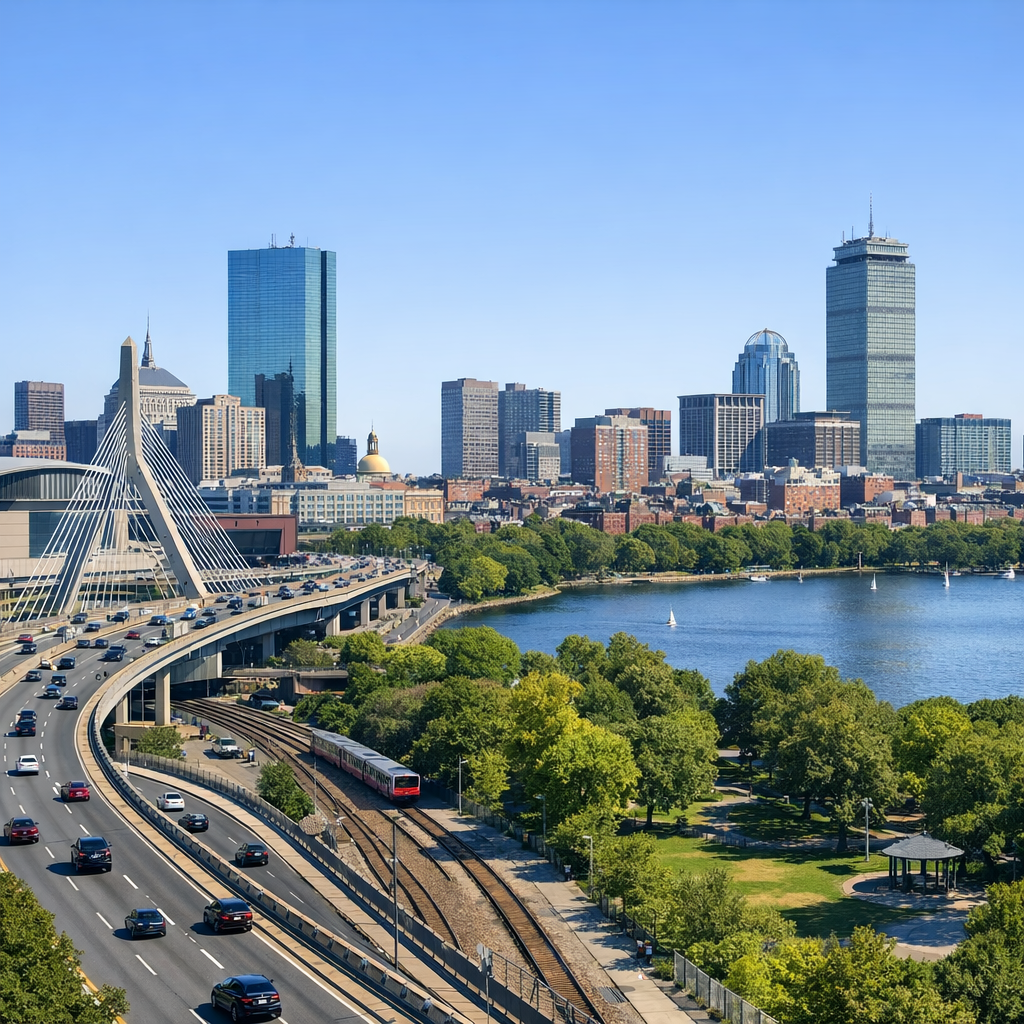
Boston’s climate is undergoing significant changes, with noticeable shifts in seasonal patterns and environmental impacts. Understanding these changes is crucial for residents and policymakers alike.
Rising Temperatures and Heat Events
Over the past century, Massachusetts has experienced a temperature increase of approximately 3.5°F. Historically, Boston averaged around 10 days per year with temperatures exceeding 90°F. However, recent trends indicate a rise in both the frequency and intensity of heat events. Projections suggest that by the 2070s, Boston could face up to 130 days annually with temperatures over 80°F, depending on global greenhouse gas emission trajectories.
Impacts on Health and Infrastructure
Extreme heat poses significant health risks, particularly to vulnerable populations such as low-income communities, the elderly, and those with pre-existing health conditions. Increased temperatures can lead to heat-related illnesses and exacerbate existing health issues. Additionally, infrastructure, including transportation systems and energy supplies, may experience stress under prolonged heat conditions.
Urban Heat Island Effect
Boston’s urban landscape contributes to the Urban Heat Island (UHI) effect, where built environments like roads, roofs, and parking lots absorb and retain heat, leading to higher temperatures compared to surrounding areas. Studies have shown that these surfaces can increase local temperatures by up to 14 degrees, intensifying heat risks in densely populated neighborhoods.
Seasonal Weather Patterns
Boston experiences a humid continental climate with distinct seasons. Winters are cold and snowy, often influenced by Nor’easters that bring heavy snowfall and strong winds. Summers are warm and humid, with July being the hottest month, averaging highs of 82°F. The transitional seasons of spring and fall offer milder temperatures and are often considered the most pleasant times of the year.
Environmental Initiatives and Resilience Planning
In response to these climatic changes, Boston has implemented several initiatives aimed at enhancing resilience and reducing carbon emissions. The city’s Climate Ready Boston program focuses on preparing for climate impacts through infrastructure improvements and community engagement. Efforts include increasing green spaces, improving stormwater management, and transitioning to renewable energy sources.
Understanding and adapting to Boston’s evolving climate is essential for safeguarding public health, protecting infrastructure, and preserving the environment. Continued efforts in monitoring, planning, and community involvement will be key to building a resilient and sustainable city.