

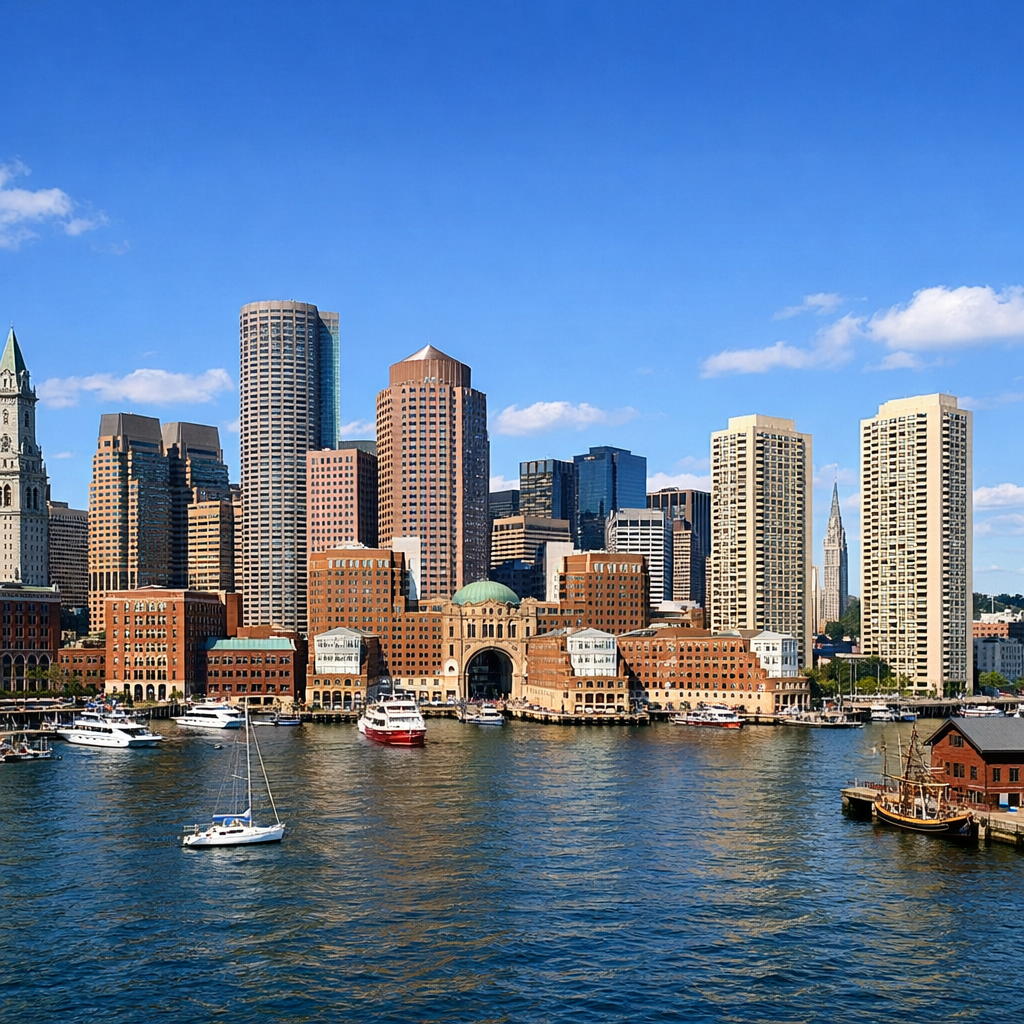
Boston’s journey from a colonial port to a global city is a testament to its adaptability and strategic vision. Historically, the city’s prime location on the Atlantic coast established it as a pivotal center for maritime trade. By the 18th century, Boston had become a key player in transatlantic commerce, exporting goods like fish, timber, and rum, and fostering a bustling trade economy. This maritime prowess laid the foundation for the city’s economic growth and cultural exchange.
In the modern era, Boston has diversified its global engagements beyond trade. The city has established sister city relationships with eleven international cities, including Kyoto, Japan; Strasbourg, France; and Hangzhou, China. These partnerships promote cultural exchange, economic collaboration, and mutual understanding, reflecting Boston’s commitment to fostering global connections. Additionally, Boston has formalized partnerships with cities like Guangzhou, China, and Lyon, France, further enhancing its international relations.
Economically, Boston has evolved into a hub for finance, technology, and education. The city is home to six Fortune 500 headquarters, including State Street and Liberty Mutual, and boasts a vibrant startup ecosystem with nearly 5,000 companies. This economic dynamism attracts international talent and investment, reinforcing Boston’s status as a global city.
Boston’s rich history and proactive approach to international relations continue to shape its role on the world stage. By embracing its maritime heritage and fostering global partnerships, the city exemplifies how historical foundations can inform and inspire contemporary global engagement.