

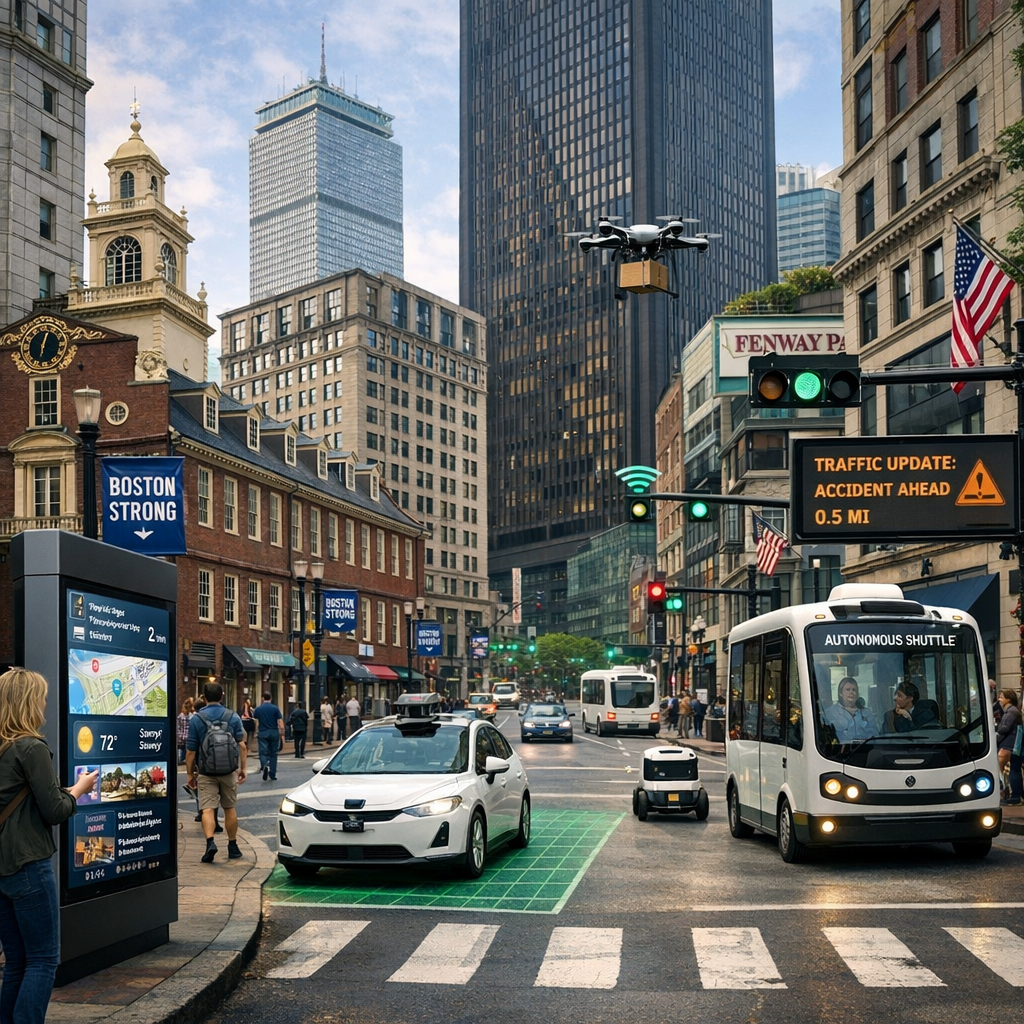
Boston has long been recognized as a center for technological innovation, and its artificial intelligence (AI) ecosystem is a testament to this legacy. From pioneering startups to esteemed research institutions, the city’s AI landscape is not only advancing technology but also integrating it into the fabric of everyday life.
Leading AI Startups in Boston
Several AI startups in Boston are making significant strides across various industries:
- DataRobot: With over $1.1 billion in funding, DataRobot offers an automated machine learning platform that simplifies the creation and deployment of predictive models, aiding businesses in making data-driven decisions.
- Cybereason: Specializing in cybersecurity, Cybereason utilizes AI to provide comprehensive endpoint security solutions, including next-generation antivirus and anti-ransomware, enhancing protection against evolving cyber threats.
- Lightmatter: Innovating in the field of photonic computing, Lightmatter develops technologies that accelerate computation and communication in AI systems, contributing to more efficient and powerful AI applications.
Research Institutions Driving AI Forward
Boston’s academic institutions are pivotal in AI research and development:
- MIT Computer Science and Artificial Intelligence Laboratory (CSAIL): As MIT’s largest interdepartmental research lab, CSAIL is a hub for AI research, focusing on areas such as large language models, robotics, and systems work.
- MIT Sloan School of Management: Through its AI initiatives, MIT Sloan emphasizes the business aspects of AI, exploring enterprise adoption and management strategies.
AI’s Impact on Daily Life
The influence of AI in Boston extends beyond the tech industry, permeating various aspects of daily life:
- Healthcare: AI-driven healthtech companies are enhancing patient care through improved diagnostics and personalized treatment plans. For instance, Biofourmis leverages AI to monitor patient health remotely, enabling proactive interventions.
- Transportation: AI technologies are optimizing traffic management and public transportation systems, leading to more efficient and reliable commuting experiences for residents.
- Education: Local universities are incorporating AI into curricula, preparing students for careers in this rapidly evolving field and fostering a culture of innovation.
Boston’s AI ecosystem exemplifies how technological advancements can be seamlessly integrated into daily life, enhancing various sectors and contributing to the city’s dynamic and innovative spirit.