

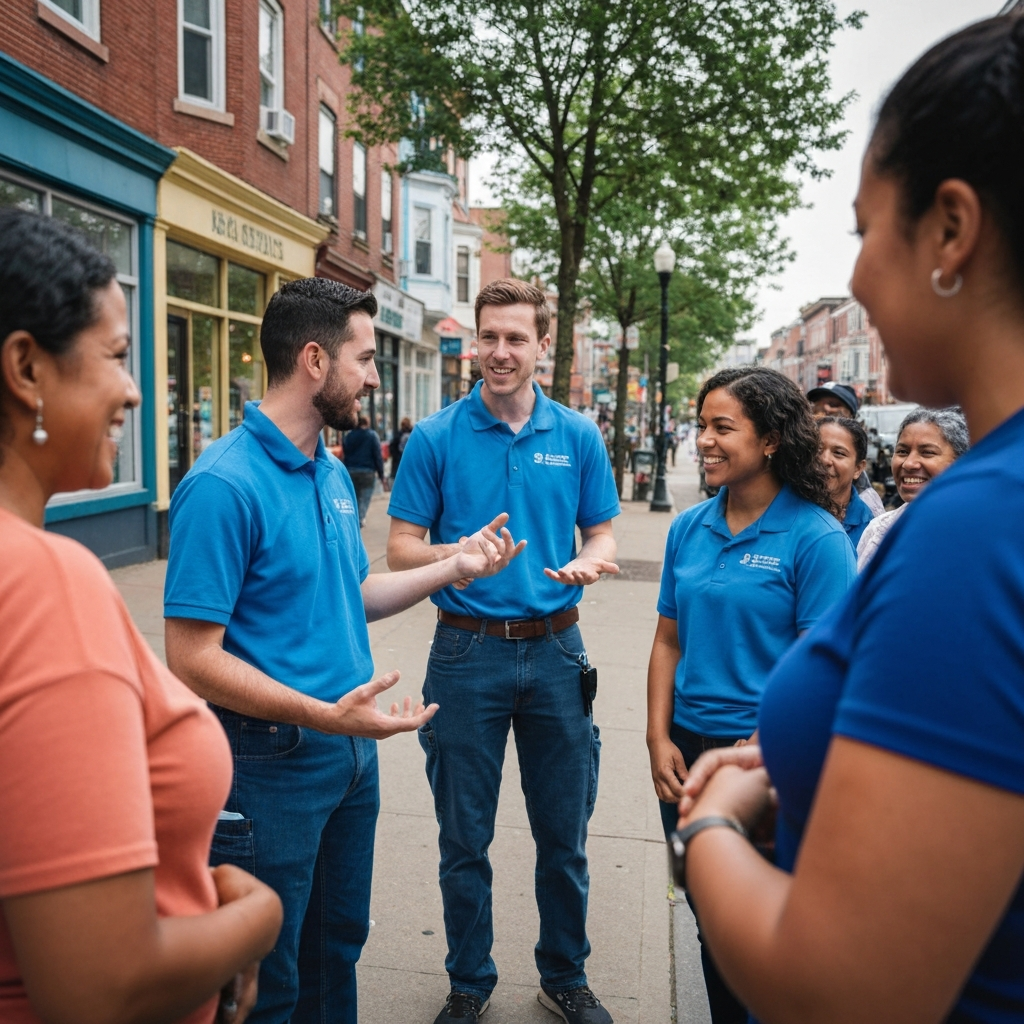
Boston is taking significant steps to address health disparities among its residents, particularly focusing on neighborhoods like Dorchester, Roxbury, and Mattapan, which have historically faced the greatest health inequities. These efforts are part of the city’s ‘Live Long and Well’ agenda, aiming to close the life expectancy gap by 2035.
Community-Led Initiatives
In a collaborative effort, the Boston Public Health Commission (BPHC), Atrius Health Equity Foundation, and the Boston Community Health Collaborative have announced an initial $5 million in grants. These funds are designated for four community-led coalitions working to build wealth and economic security in the targeted neighborhoods. This initiative represents the first multi-sector partnership supporting the city’s health equity agenda. Read more
Health Equity and Racial Justice
Recognizing that systemic racism contributes to health inequities, Boston declared racism a public health crisis in June 2020. The BPHC has since been committed to partnering with residents and community-based organizations to address these disparities. Their work focuses on creating systems change to promote health equity and racial justice across the city. Learn more
Community Health Needs Assessment
To better understand and address the health-related needs of its residents, Boston Children’s Hospital conducts a comprehensive Community Health Needs Assessment every three years. The 2025 assessment highlighted that many families are struggling with rising housing costs, food insecurity, and limited access to healthcare, especially mental health services. These findings underscore the importance of targeted interventions to support the city’s most vulnerable populations. More information
Moving Forward
Boston’s commitment to health equity is evident in these initiatives, which aim to create a healthier city for all residents. By investing in community-led programs and addressing systemic issues, the city is working towards closing the life expectancy gap and ensuring that every individual has an equitable opportunity to live a healthy life.