

By Emily Harrington
From Boston to the borders of fragile states, global migration and displacement are no longer exceptional—it’s part of a fast intensifying pattern shaped by climate change, war, and shifting economic realities. Understanding this landscape is vital for communities here at home as well as abroad.
The Climate–Migration Connection
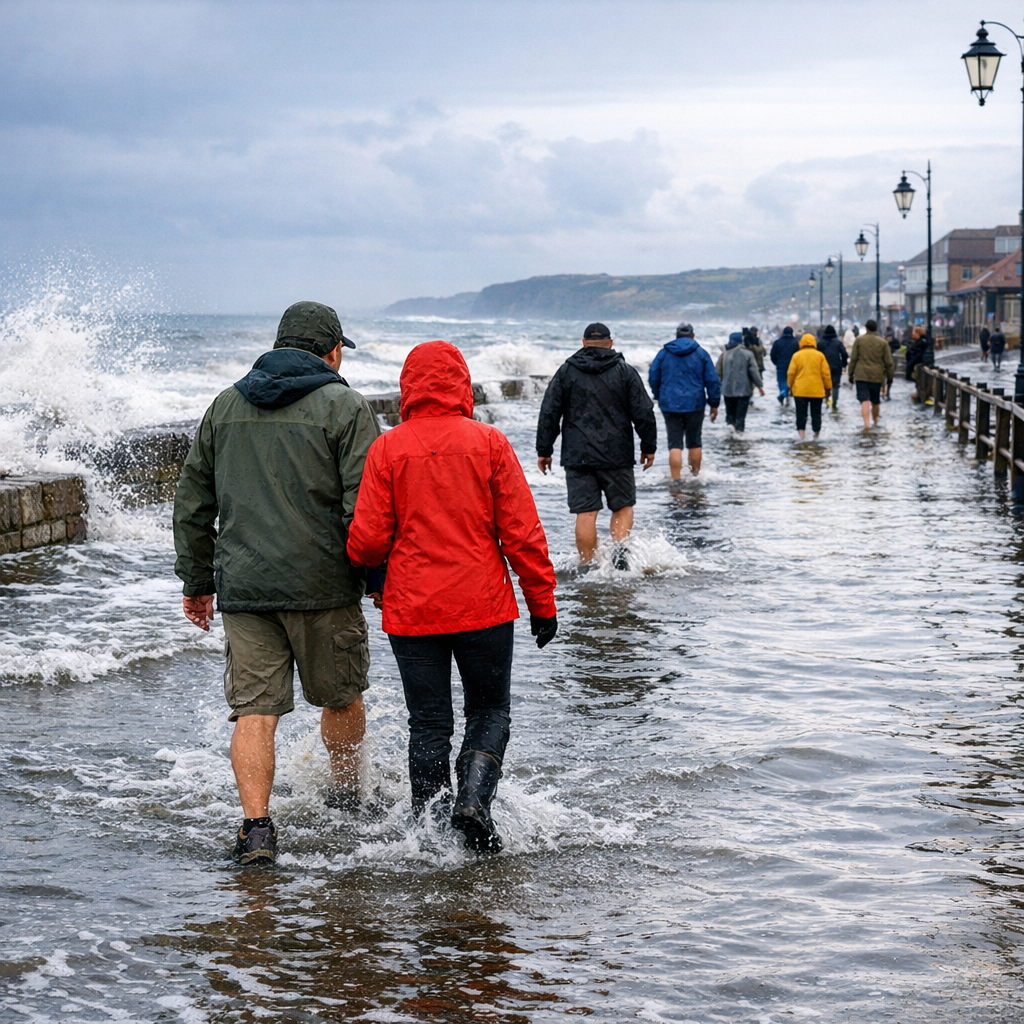
Climate factors—extreme heat, flooding, drought, and sea-level rise—are increasingly urgent drivers of both internal and cross-border migration. The World Bank projects that internal displacement caused by climate pressures could reach hundreds of millions within a few decades. Slow-onset disasters—such as prolonged drought affecting agriculture or rising waters threatening coastal communities—often force migration gradually, but leave little time for communities to adapt. Scientific research and global policy reports argue decision-makers need better local data and responsive strategies. Global agencies emphasize that towns, regional governments, and neighborhoods are central in crafting solutions that go beyond crisis reaction.
Conflict Intensifies Human Displacement
At the same time, conflict remains a powerful driver of forced movement. Recent analyses show more civilians are caught in direct crossfire or subject to violence by state forces than in years past. Wars in regions like Ukraine and the Middle East have disrupted trade, escalated food and energy costs, and shaken global stability. The knock-on effects ripple outward—with refugee numbers rising and international urgent humanitarian needs growing dramatically.
Economic Pressures and the Role of Policy
Economic shocks—rising inflation, energy price volatility, and unequal growth—often interact with climate and conflict to push people to move. Countries with fewer resources to absorb shocks face higher risks of displacement and instability. Policy shapes whether migration becomes part of coherent adaptation strategies or turns into a crisis. Best practices include legal pathways for refugees, climate-responsive development planning, social protection and inclusion programs. Reports from organizations such as UNHCR and the IOM emphasize shifting from reactive humanitarian aid toward long-term resilience building.
Why This Matters for Local Communities
Boston, like many cities worldwide, will both feel and help shape these trends. Local governments may see increased newcomers seeking refuge, climate migrants displaced within the U.S., or economic migrants responding to global supply chain disruptions. Planning for affordable housing, public health, education, and social integration will be more important than ever. Collaborative efforts—between city planners, nonprofits, public health agencies, and community voices—can make migration a constructive force rather than a point of social tension.
What a Human-Centered Approach Looks Like
- Early investment in research rooted in lived experiences to inform tailored local policies.
- Disaster risk and climate adaptation built into urban planning and social infrastructure.
- Legal and accessible pathways for refugees and migrants to reach safety.
- Support for displaced people’s health, opportunity, and voice in decision-making.
- Global cooperation grounded in solidarity—recognizing migration isn’t only a foreign issue, but a shared human concern.
The forces reshaping migration and displacement are complex and interconnected—but they are not uncontrollable. With foresight, empathy, and layered policies, communities both here in Boston and around the world can build more resilient, inclusive futures.