

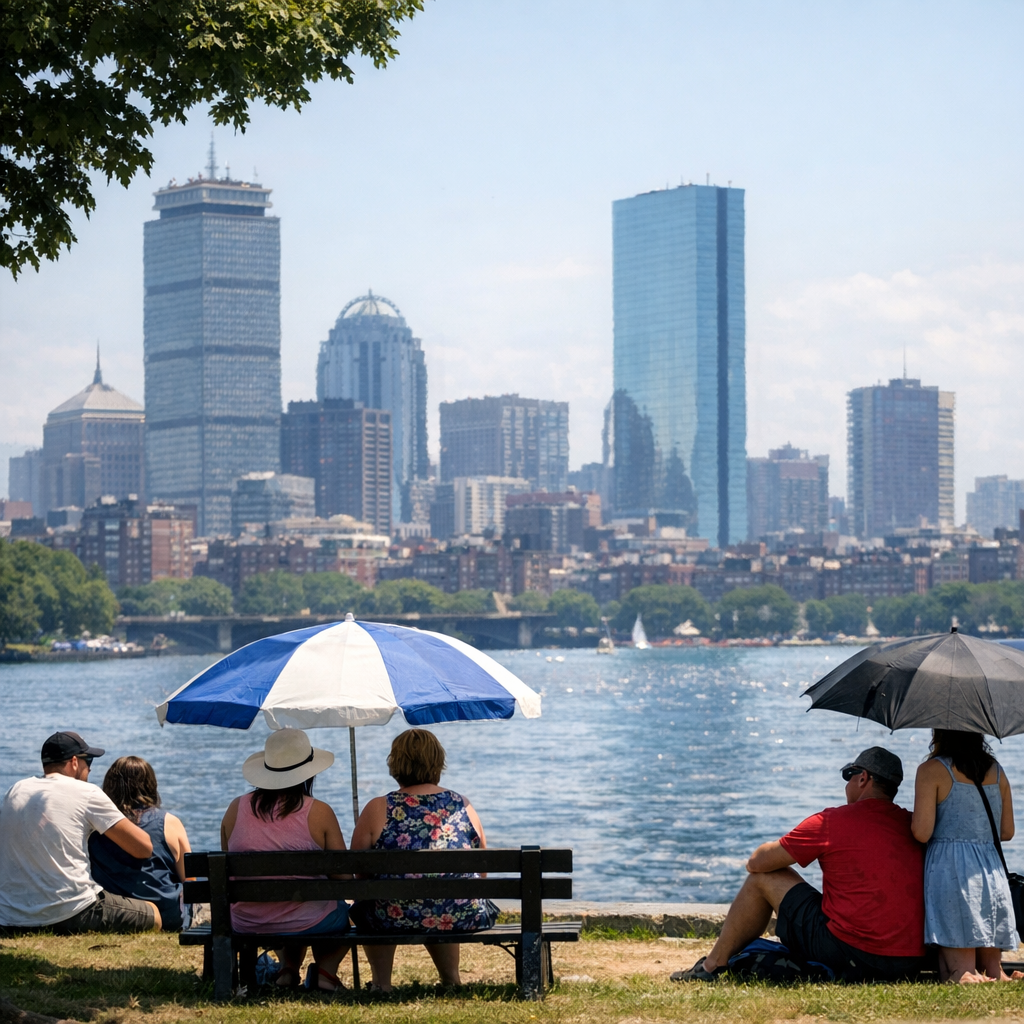
Boston’s climate is undergoing significant changes, with rising temperatures and more frequent extreme heat events. Understanding these trends and their impacts is crucial for residents and policymakers alike.
Rising Temperatures in Boston
Since the early 20th century, Massachusetts has experienced a temperature increase of approximately 3.5°F. In the last decade, Boston recorded more hot days than any decade in the previous 50 years. Historically, the city experienced around 10 days over 90°F each summer. However, projections indicate that by the 2070s, Boston could face up to 46 such days annually, depending on global greenhouse gas emission trends.
Urban Heat Island Effect
The urban heat island effect exacerbates temperature increases in cities. In Boston, areas with extensive concrete and asphalt surfaces, such as roofs, roads, and parking lots, can be up to 14 degrees hotter than less developed areas. This effect is particularly pronounced in neighborhoods with limited green spaces, leading to higher heat exposure for residents.
Health and Infrastructure Impacts
Extreme heat poses significant health risks, including heat-related illnesses and increased mortality rates. Vulnerable populations, such as the elderly, children, and those with pre-existing health conditions, are especially at risk. Additionally, higher temperatures can strain infrastructure, leading to power outages and transportation disruptions.
City Initiatives and Adaptation Strategies
In response to these challenges, Boston has developed the Heat Resilience Solutions plan, aiming to prepare the city for hotter summers. Strategies include increasing tree canopy coverage, implementing cool roofs and pavements, and enhancing access to cooling centers during heatwaves.
Furthermore, the city plans to purchase only electric vehicles and increase access to cooling spaces during periods of extreme heat under a new five-year climate plan released in April 2026.
Community Engagement and Resources
Residents are encouraged to participate in community programs focused on climate resilience. The city offers resources and guidance on preparing for extreme heat, including information on cooling centers and tips for staying safe during heatwaves.
By staying informed and engaged, Bostonians can contribute to a more resilient and sustainable city in the face of a warming climate.