

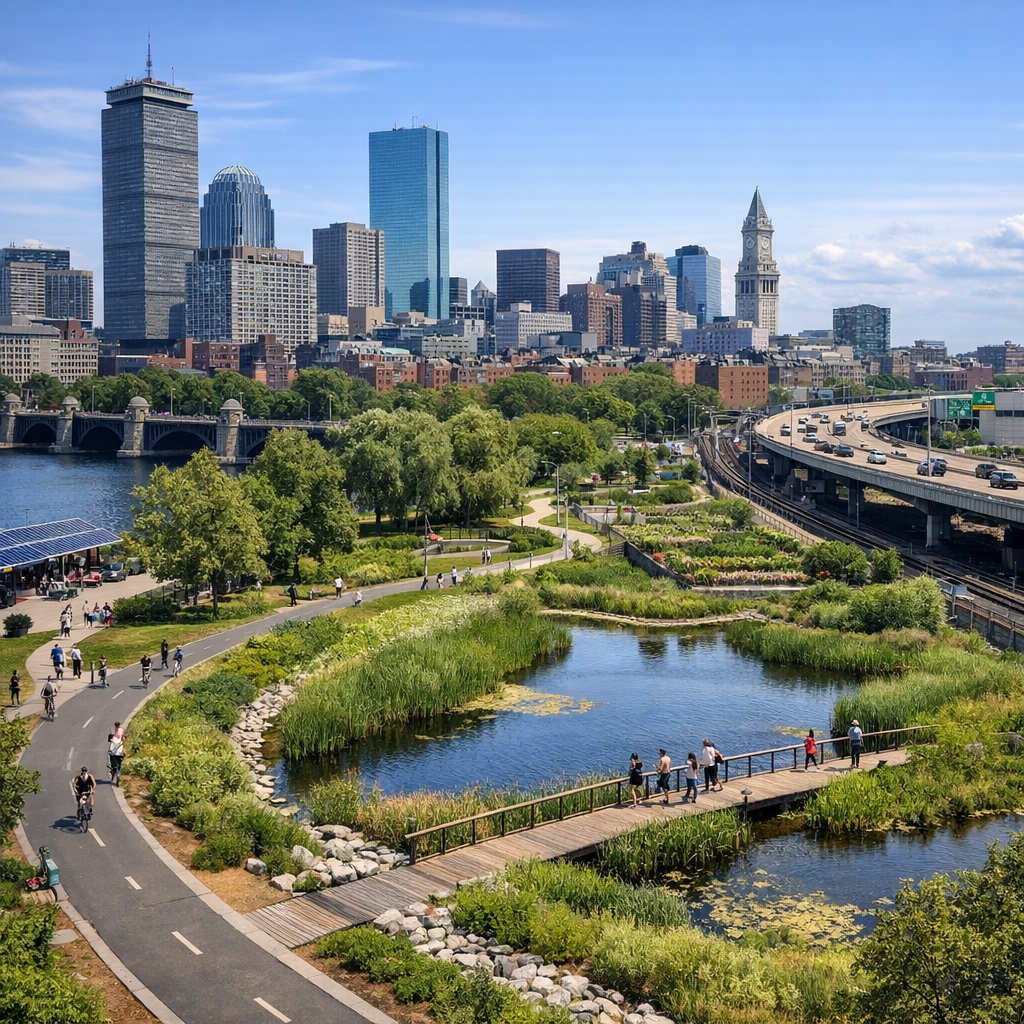
Boston’s climate is undergoing significant changes, with rising temperatures and more frequent extreme heat events becoming increasingly common. Understanding these shifts and the city’s efforts to address them is crucial for residents and stakeholders alike.
Rising Temperatures in Boston
Over the past century, Massachusetts has experienced a temperature increase of approximately 3.5°F. In recent decades, Boston has seen a notable uptick in the number of hot days and nights compared to the previous 50 years. Historically, the city averaged around 10 days per year with temperatures exceeding 90°F. Projections indicate that by the 2070s, this number could rise to as many as 46 days annually, depending on global greenhouse gas emission trends. [Source]
Impacts of Extreme Heat
Extreme heat poses several challenges to urban environments like Boston:
- Health Risks: Increased temperatures can lead to heat-related illnesses, particularly affecting vulnerable populations such as the elderly, children, and those with pre-existing health conditions.
- Infrastructure Strain: Prolonged heat can stress transportation systems, energy grids, and water supplies, potentially leading to service disruptions.
- Environmental Concerns: Higher temperatures can degrade air quality and exacerbate the urban heat island effect, where urban areas become significantly warmer than their rural surroundings. [Source]
Boston’s Climate Resilience Initiatives
Recognizing these challenges, Boston has implemented several initiatives to enhance its climate resilience:
- Climate Ready Boston: Launched in 2016, this initiative focuses on preparing the city for climate change impacts through comprehensive planning and community engagement. [Source]
- Heat Resilience Solutions: The city has developed a Heat Plan that outlines strategies to mitigate extreme heat effects, including increasing green spaces, enhancing tree canopies, and improving building designs to reduce heat absorption. [Source]
- Community Engagement: Boston emphasizes involving residents in resilience planning, ensuring that solutions are equitable and address the needs of all communities. [Source]
How Residents Can Contribute
Community involvement is vital in building a resilient Boston. Residents can contribute by:
- Participating in local climate action groups and initiatives.
- Implementing energy-efficient practices in homes and businesses.
- Supporting urban greening efforts, such as tree planting and maintaining community gardens.
By staying informed and engaged, Bostonians can play a pivotal role in shaping a sustainable and resilient future for the city.