

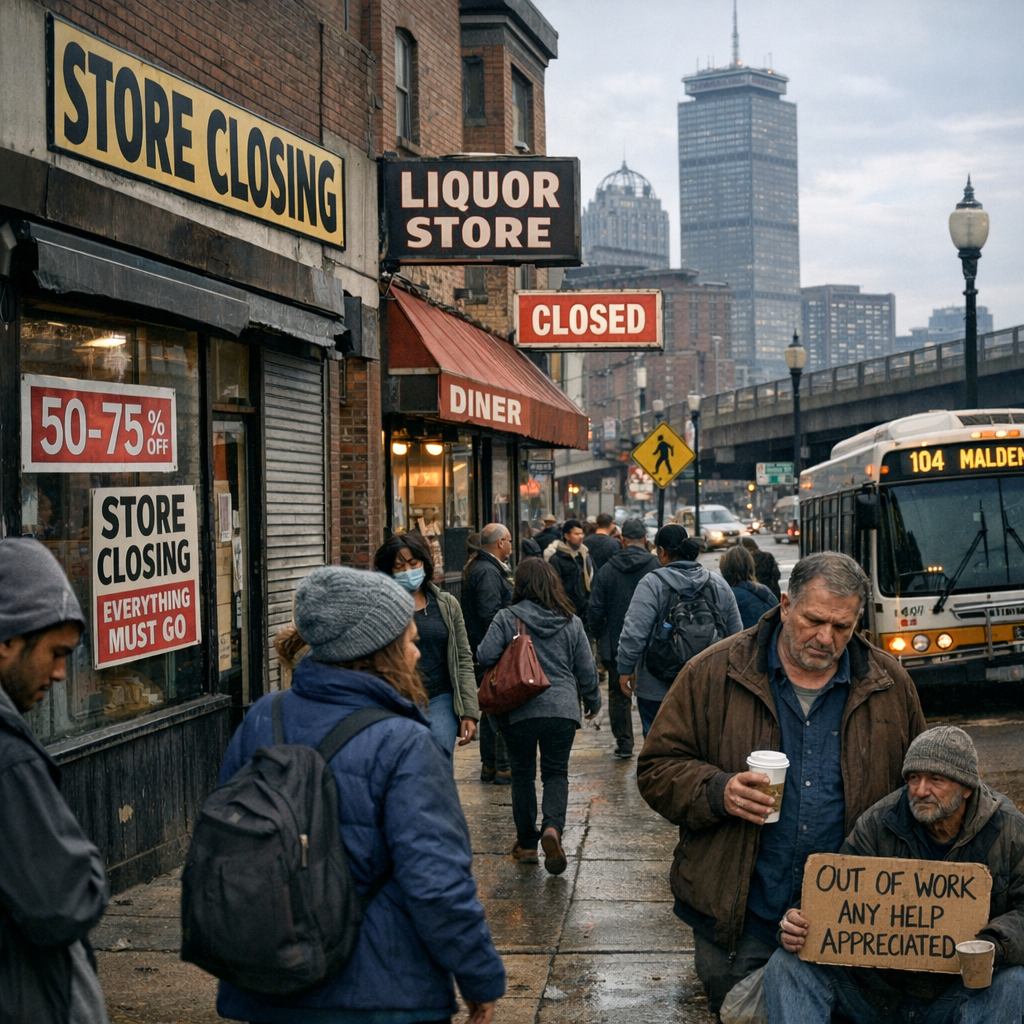
The U.S. economy is currently facing a series of challenges that are impacting households nationwide, including those in Boston. Key issues include rising inflation, increasing gas prices, and a decline in consumer confidence.
Inflation and Gas Prices
Inflation has surged to 3.8% as of April, influenced by ongoing international conflicts, notably the situation in Iran. This has led to gas prices exceeding $4.50 per gallon, placing additional financial strain on consumers. For the first time in three years, wage growth has not kept pace with inflation, reducing the purchasing power of many Americans. Consequently, there has been a notable increase in consumer borrowing, with sentiment reaching record lows. Small business optimism has also declined significantly.
Political Implications
These economic challenges have political ramifications. A recent CNN poll indicates that 70% of Americans disapprove of President Trump’s handling of the economy. This sentiment is reflected in the upcoming midterm elections, where Democrats are leading the generic House ballot 55% to 40%.
Local Impact in Boston
For Boston residents, these national trends have tangible effects. The rise in gas prices increases commuting costs, and inflation affects the affordability of goods and services. Small businesses in the area may face reduced consumer spending, impacting their operations and growth prospects.
Looking Ahead
While the administration is implementing measures such as tax cuts and deregulation to stabilize the economy, the effectiveness of these strategies remains to be seen. Boston residents are encouraged to stay informed and consider how these national economic trends may influence their personal and professional lives.